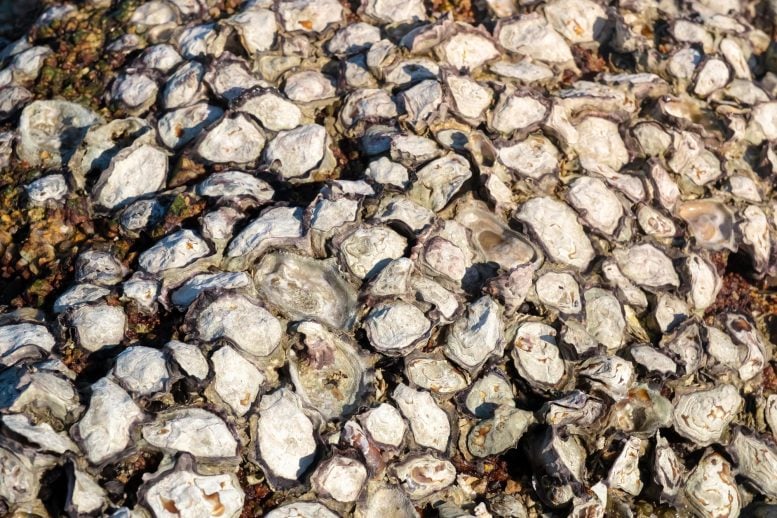
Scientists found that mimicking the geometry of natural oyster reefs can significantly improve the survival of young oysters in restoration efforts. New research has identified how artificial habitats can be designed more effectively to restore oyster reefs, drawing on a …
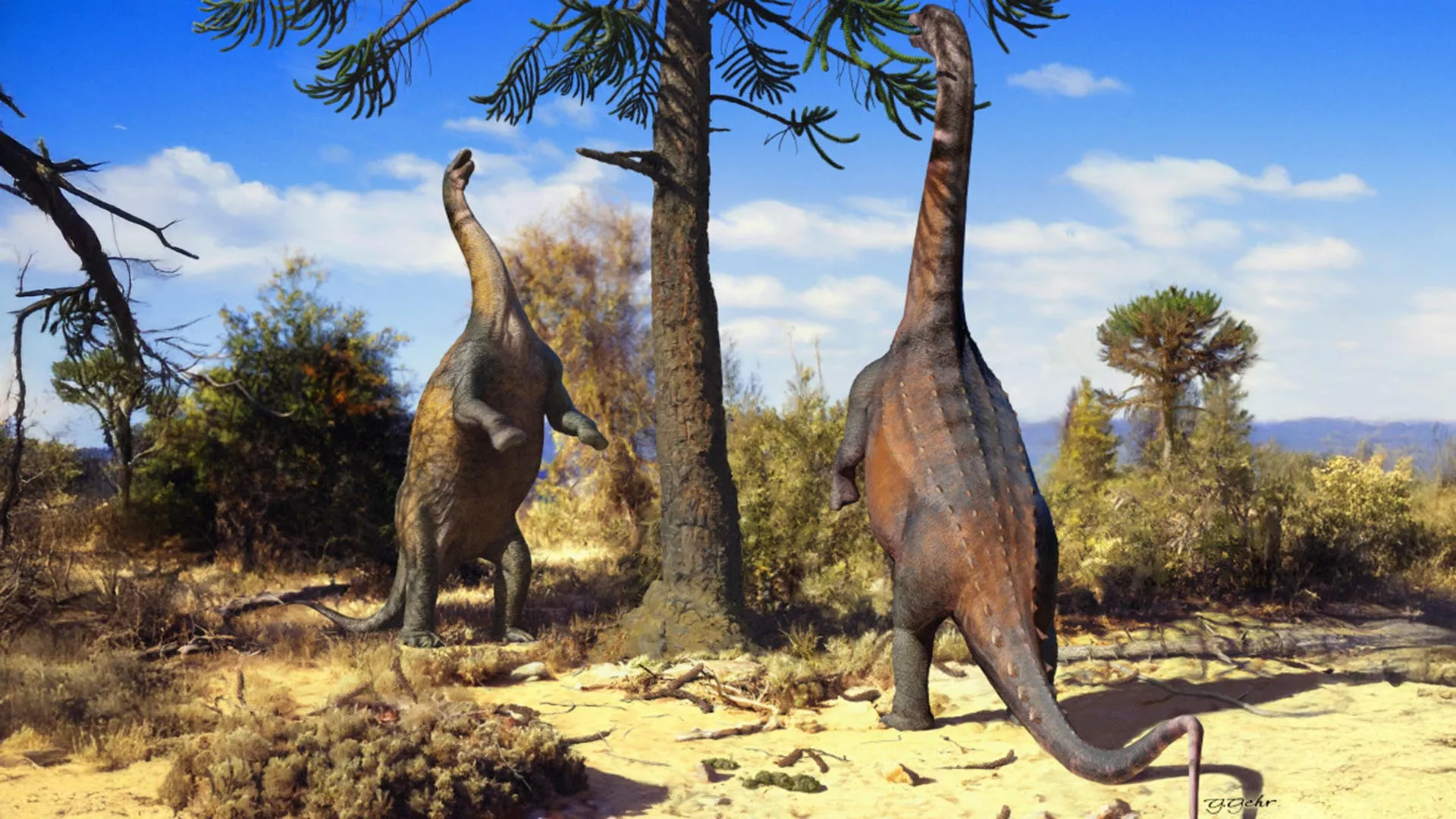
Around 66 million years ago, two types of long-necked, four-legged dinosaurs stood out from other sauropods. They had the ability to rise up on their hind legs and stay upright for extended periods. This posture likely helped them reach leaves …
Endometriosis is a painful, debilitating condition affecting 10% of women worldwide. It occurs when tissue similar to the lining of the uterus (known as lesions) grows elsewhere in the body — usually within the pelvis. Treating endometriosis can be difficult. …
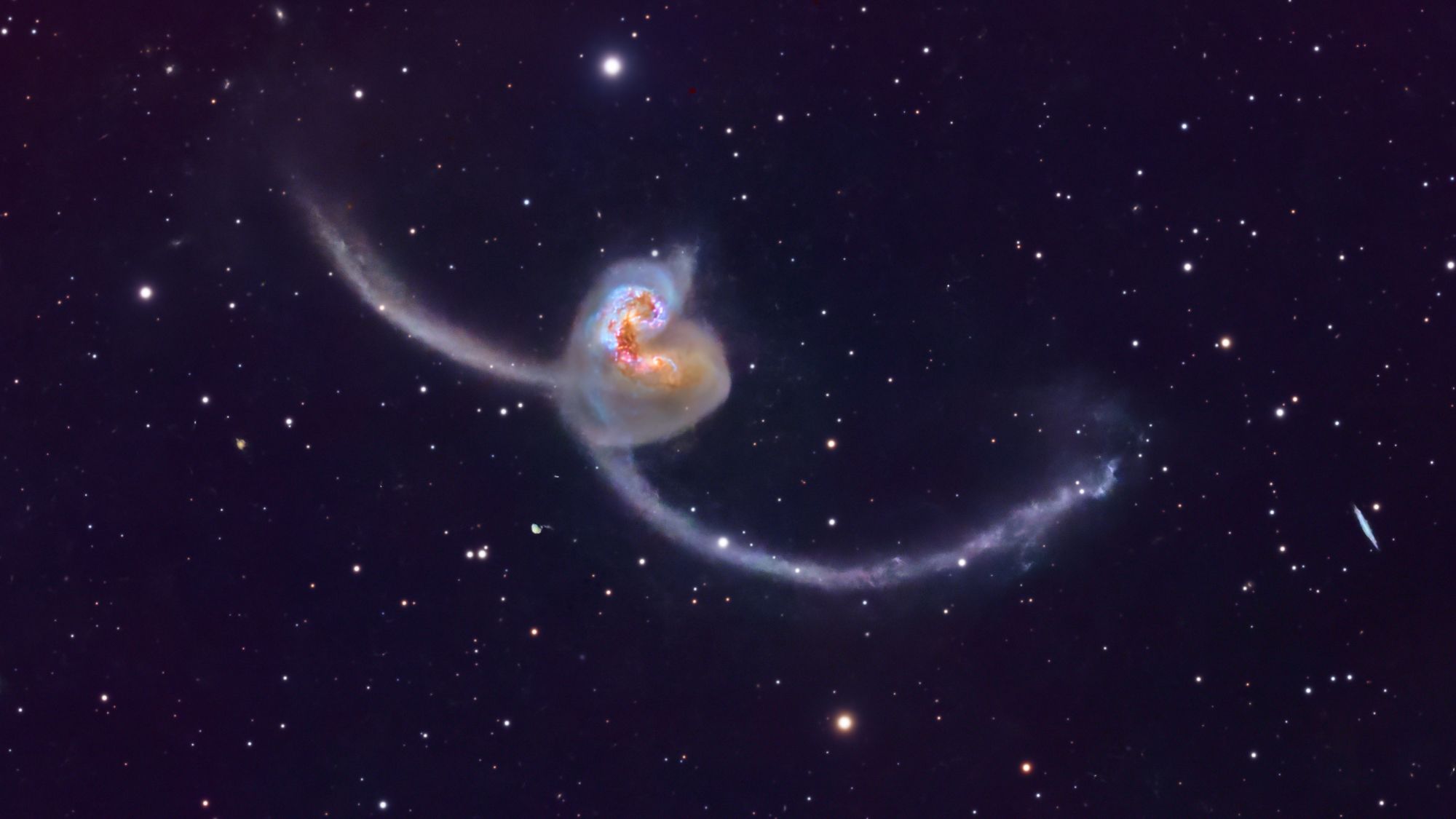
The Antennae Galaxies pictured merging in the constellation Corvus. (Image credit: Greg Meyer) Astrophotographer Greg Meyer took aim at the constellation Corvus to capture a majestic view of the Antennae Galaxies, whose once spiral forms have been rendered chaotic as …
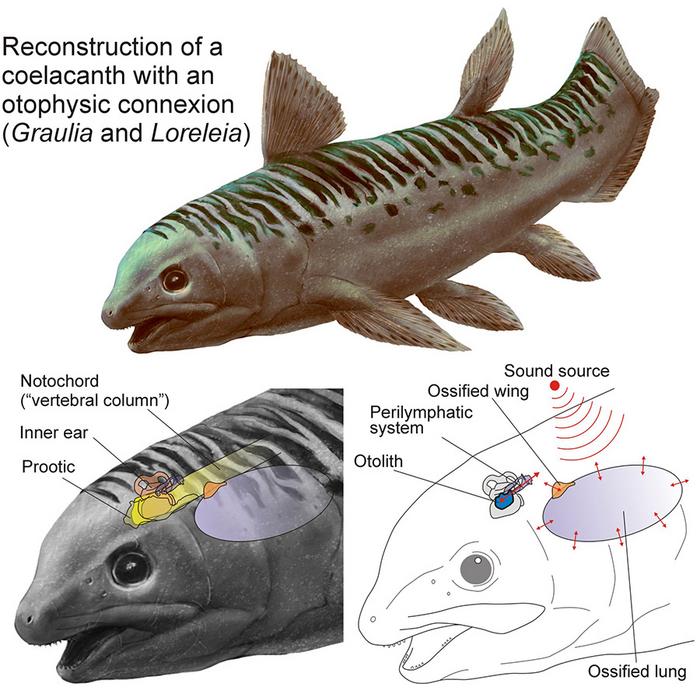
Sound moves differently through water than through air. It travels faster, farther, and with more force, and the problem for a fish is that its body, being mostly water itself, offers the waves nothing to push against. They pass straight …
Get the Popular Science daily newsletter💡 Breakthroughs, discoveries, and DIY tips sent six days a week. Concert venues are supposed to measure a star’s reach. BTS skipped the measurement entirely. On March 21, 2026, they played a free concert at …
Dozens of cities and counties across the US have introduced local moratoria on data center development in response to local pushback. At least a dozen state legislatures—in Georgia, Maryland, Minnesota, New Hampshire, New York, Oklahoma, Pennsylvania, South Dakota, Vermont, Virginia, …
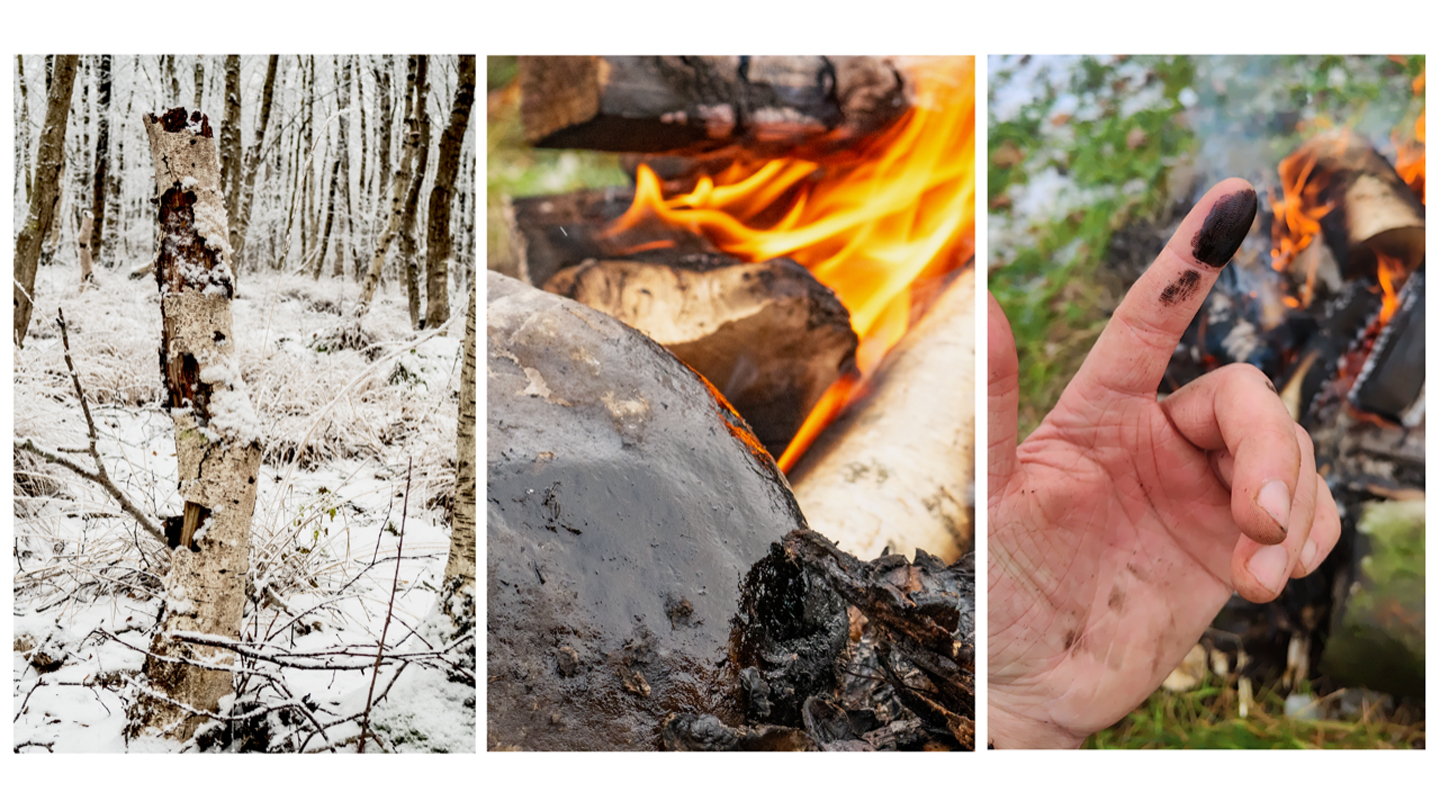
A primitive Neandertal glue used to make tools may also have been a go-to antibiotic for the hominids. A new study of the sticky substance, published March 18 in PLOS One, raises the possibility that it could have been used …
Kendra Pierre-Louis: For Scientific American’s Science Quickly, I’m Kendra Pierre-Louis, in for Rachel Feltman. You’re listening to our weekly science news roundup. If you live in much of California or the southwestern U.S., you’ve likely been muttering to yourself, “it’s …
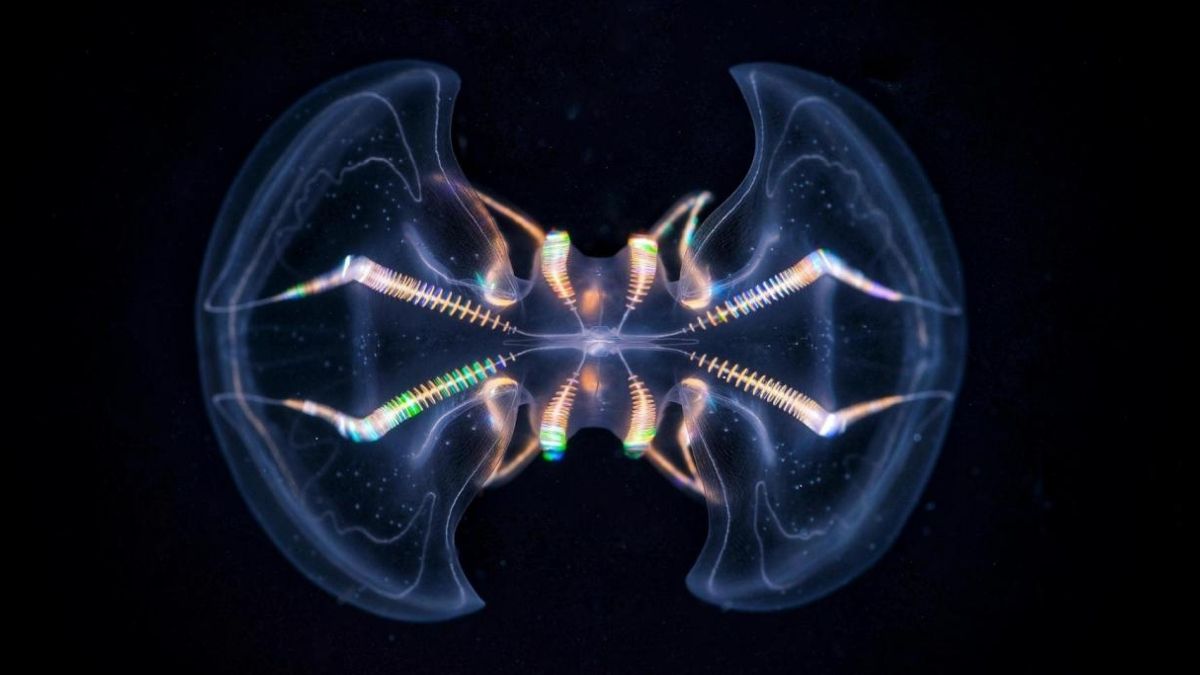
Comb jellies – very simple, gelatinous creatures best-known for their hypnotic underwater light shows – first appeared in Earth’s oceans around 550 million years ago. For a long time, biologists have kind of considered them the living embodiment of ‘no …